Australian Defence Force
Military Culture
East Timor
Quinoline Era
Army Wife
Coercive Control
Domestic Violence
Surviving Abuse
Abandonment
Institutional Blindness
Cross-Border Survival
Mexico
Cartel
Drugs
Violent Systems
Psychological Operations
Borderlands
Silence
The Cost
Aftermath
The Truth
Short Summary About Me
I document the quinoline era through lived experience — tracing the realities of military family life, Australian Defence Force culture, East Timor deployments, and the cross‑border survival that followed. My work maps the patterns of injury, misdiagnosis, coercive control, domestic violence, institutional blindness, cartel‑adjacent harm, psychological operations, and the violent systems that shaped the aftermath and the truth.

Latest Updates
CONTENTS
The Families Left Behind
The spouses and children of ADF quinoline veterans have been systematically excluded from every support system built around the harm they share. This page asks why — and refuses to accept that there is no answer. READ MORE -
It Was Not You - It Was What They Did To Your Brain
If you served in East Timor or Bougainville and were given mefloquine or tafenoquine, this page is written directly for you. What you became was not who you are. What happened was not your fault. And the shame you have been carrying belongs somewhere else entirely. READ MORE -
She Was Left With Nothing
If you served in East Timor or Bougainville and were given mefloquine or tafenoquine, this page is written directly for you. What you became was not who you are. What happened was not your fault. And the shame you have been carrying belongs somewhere else entirely. READ MORE -
If This Was Your Story
For partners, former partners, and children of ADF veterans who served in East Timor or Bougainville — and who may recognise something of their own experience in what this site describes. READ MORE -
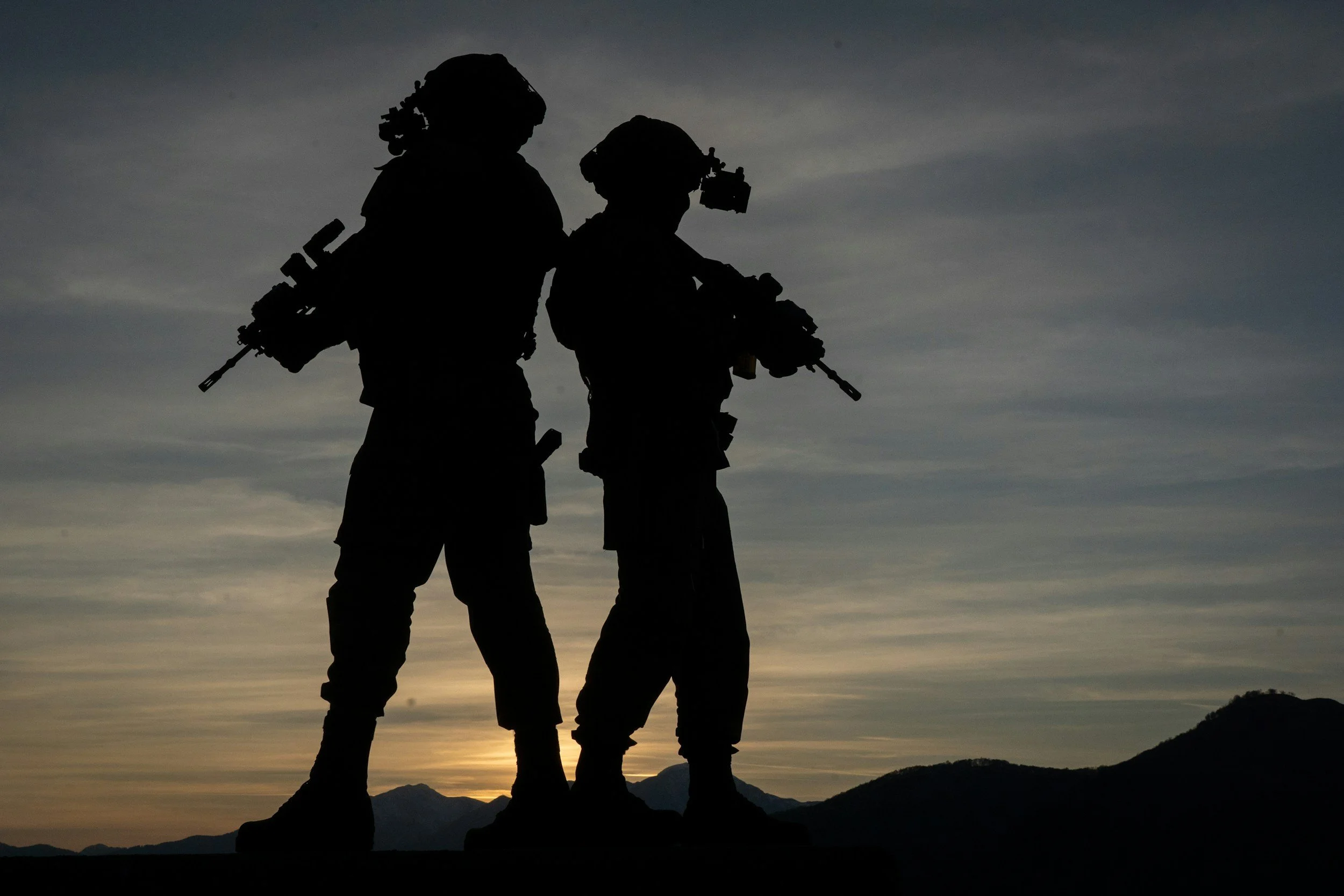
Australian ArmyAbandonment
The Truth
Domestic Violence
East Timor
Why This Story Matters
“The quinoline era was defined by a global pattern of misdiagnosis — neurological injury mistaken for PTSD.”
“I was just the army wife, and the consequences of living with a husband who had an undiagnosed neurological injury created a pattern of domestic violence far more severe than what is typically recognised within standard domestic violence categories. This form of harm has never been acknowledged in policy, despite substantial evidence emerging more than 25 years later. My situation is far from typical and, if properly investigated, would be recognised as an extreme case within the ADF context. This is not about vilifying my former husband, but about finally understanding who he was, what he was living with, and where responsibility truly sits — with the Australian Government and the Australian Defence Force, whose decisions and systemic failures created the conditions in which this harm occurred.” READ MORE-
-
Abandoned in Mexico, this may be one of the most extreme cases of domestic violence connected to the Australian Defence Force. That is not an exaggeration or a headline — it is the reality I lived. I was an army wife for nearly two decades, moving every four years, raising children alone during deployments, and holding everything together while the institution looked the other way. Then, through a chain of events no one could imagine unless they had lived it, I found myself engaged to a man with past ties to organised crime in Mexico.
My ex‑husband — a retired ADF officer with longstanding mental‑health issues, exposed to trial antimalarial drugs during his East Timor deployments in 1999 and 2001, and the father of our four children — left us in Mexico with no support, no protection, and no way out. Overnight, I became responsible for four children in a country I barely understood. That vulnerability made me an easy target, and I was drawn into the orbit of men operating inside cartel‑adjacent systems in Nayarit — environments shaped by fear, poverty, and power.
The only person who could corroborate what happened was someone whose own life had once been entangled in organised crime. In the eyes of authorities, that meant my truth was never going to be simple, clean, or easily believed. The systems that should have recognised the pattern — injury, misdiagnosis, coercive control, abandonment, cross‑border risk — instead treated it as chaos, instability, or personal failure.
This is the context in which the quinoline era collided with military family life, institutional blindness, and the violent systems that shaped the aftermath.
-
Jacqualine Roche is a writer and lived‑experience researcher focused on digital violence, coercive control, cross‑border harm, and the collapse of institutional response. Her work blends forensic clarity with literary restraint, offering a rare perspective on the psychological and structural dynamics that shape modern danger.
She documents the human cost of the quinoline era, drawing on years inside Australian Defence Force family culture, the fallout from East Timor deployments, and a decade of cross‑border survival in Mexico’s cartel‑adjacent borderlands. Her research examines patterns of injury, misdiagnosis, coercive control, institutional blindness, and the violent systems that shaped both the harm and the silence around it.n
-
I lost my children because of domestic violence. They were used as leverage — not out of love, but as a means of control. What unfolded was not a custody decision but a calculated act of coercive power, where the children became instruments in a conflict they never chose.
The systems meant to protect us instead amplified his reach, mistaking manipulation for parental concern and silence for stability. In the end, the cost of leaving was measured not in possessions or safety, but in the distance forced between a mother and her children.
-
If you believe you have lived through something similar, or your partner was part of the quinoline antimalarial drug trials — or you are still inside it — my work may help you recognise the patterns. Not because our stories are identical, but because the systems that enable this kind of harm often behave in predictable ways.
You are not imagining the complexity. You are not alone in the confusion. And you are not the only one who has been misread by institutions that should have known better.
If you would like to get in touch — to share your experience, to ask a question, or to connect with a journalist — you are welcome to send me a message.
-
I welcome contact from journalists, researchers, and editors seeking clarity on the quinoline era and its long‑term human impact. My work draws on lived experience, cross‑border documentation, and a decade of research into the misdiagnosis of quinoline‑induced neurological injury as PTSD, depression, or domestic instability.
I can speak to the patterns that were missed, the systems that failed to recognise the harm, and the consequences for military families navigating injury without language, diagnosis, or institutional support. My perspective is grounded, evidence‑based, and informed by both personal history and the broader scholarly record on quinoline neurotoxicity.
If you are reporting on military health, misdiagnosis, coercive control, cross‑border survival, or the structural gaps that shaped this era, I can provide context, documentation, and lived‑experience insight. I engage with media in a measured, factual manner, with an emphasis on accuracy, restraint, and the public interest.
Jacqualine Roche is a writer and lived‑experience specialist documenting the human cost of the quinoline era. Her work draws on years inside Australian Defence Force family culture, the fallout from East Timor deployments, and a decade of cross‑border survival in Mexico’s cartel‑adjacent borderlands. She examines patterns of injury, misdiagnosis, coercive control, institutional blindness, and the violent systems that shaped both the harm and the silence around it.