How does a woman fall through the cracks of three countries, three systems, and three jurisdictions — and what does her survival reveal about the architecture of precarity and power?
When a woman and her four children travel quietly through Mexico, nothing about their lives suggests they should draw attention. They are ordinary. Foreign. Statistically uninteresting. But what unfolds across three countries — Mexico, Australia, and New Zealand — reveals a different truth: vulnerability is its own kind of visibility, and the systems meant to protect people like her are the same systems that let her fall through the cracks.
Silence Preferred is a narrative journalistic investigation told from inside the blind spots of modern surveillance, organised‑crime intelligence networks, and cross‑border institutional failure. What begins as a series of small disruptions — drones appearing at night, communications faltering, patterns that defy coincidence — becomes a map of a world where jurisdictional gaps override human impact, and where no agency feels responsible for the harm that occurs in the grey zones between nations.
Drawing on documented patterns of surveillance overreach, Mexico’s history with Pegasus spyware, and the informal intelligence structures that shape daily life in regions controlled by criminal organisations, the author reconstructs the architecture of a system she was never meant to understand. Her story exposes how precarity, invisibility, and institutional silence can converge to dismantle a life — and how, in the aftermath, the person left standing in the ruins can become the one who finally sees the whole design.
This is not a tale of masterminds or shadowy strategists. It is the story of a woman who survived the collapse of three national systems, traced the lines of what was broken, and reclaimed the narrative that was never meant to be hers.
Silence Preferred is a powerful blend of investigative nonfiction and lived experience — a cross‑border account of surveillance, vulnerability, and the quiet resilience required to rebuild a life when the world stops listening.
Based on a True Story: Silence Preferred Project
Abandoned in Mexico by my ex‑husband — a retired ADF (Australian Defence Force) officer with longstanding mental health issues, and the father of our four children — I was left vulnerable in a country I barely understood, trying to protect four children on my own. That vulnerability made me an easy target, and I became trapped and exploited by people connected to the CJNG (Cartel Jalisco New Generation), a criminal organisation whose world operated far outside the law. The only person who could testify to what happened is a man whose own life had once been entangled in organised crime — as a member of the Mexican Mafia — which meant that, in the eyes of the authorities, my truth was never going to be simple, clean, or easily believed.
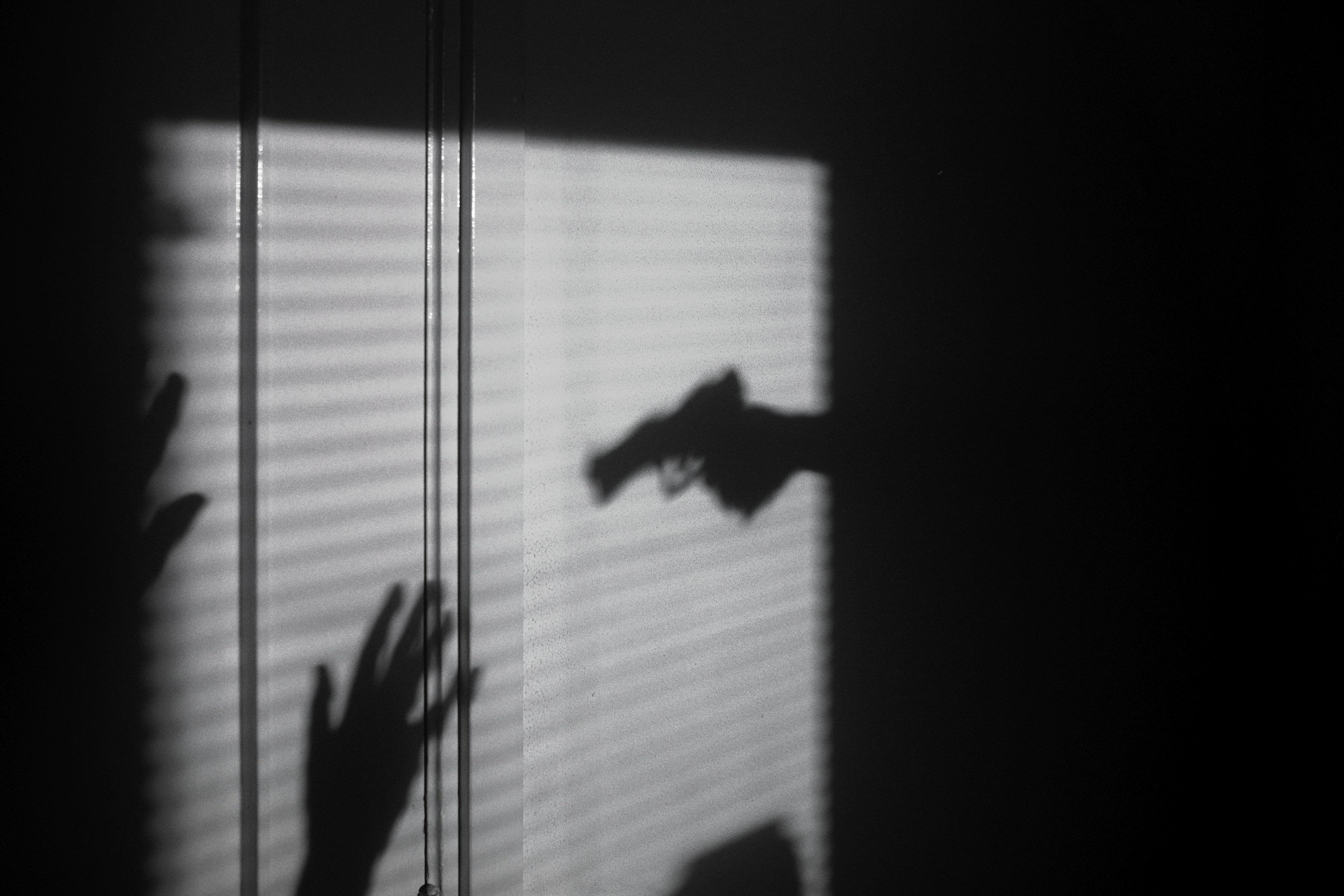
A question for the CJNG: do you agree that it is an act of profound cowardice for anyone to harass and bully an innocent mother and her four children while they are alone in a foreign country - MEXICO?
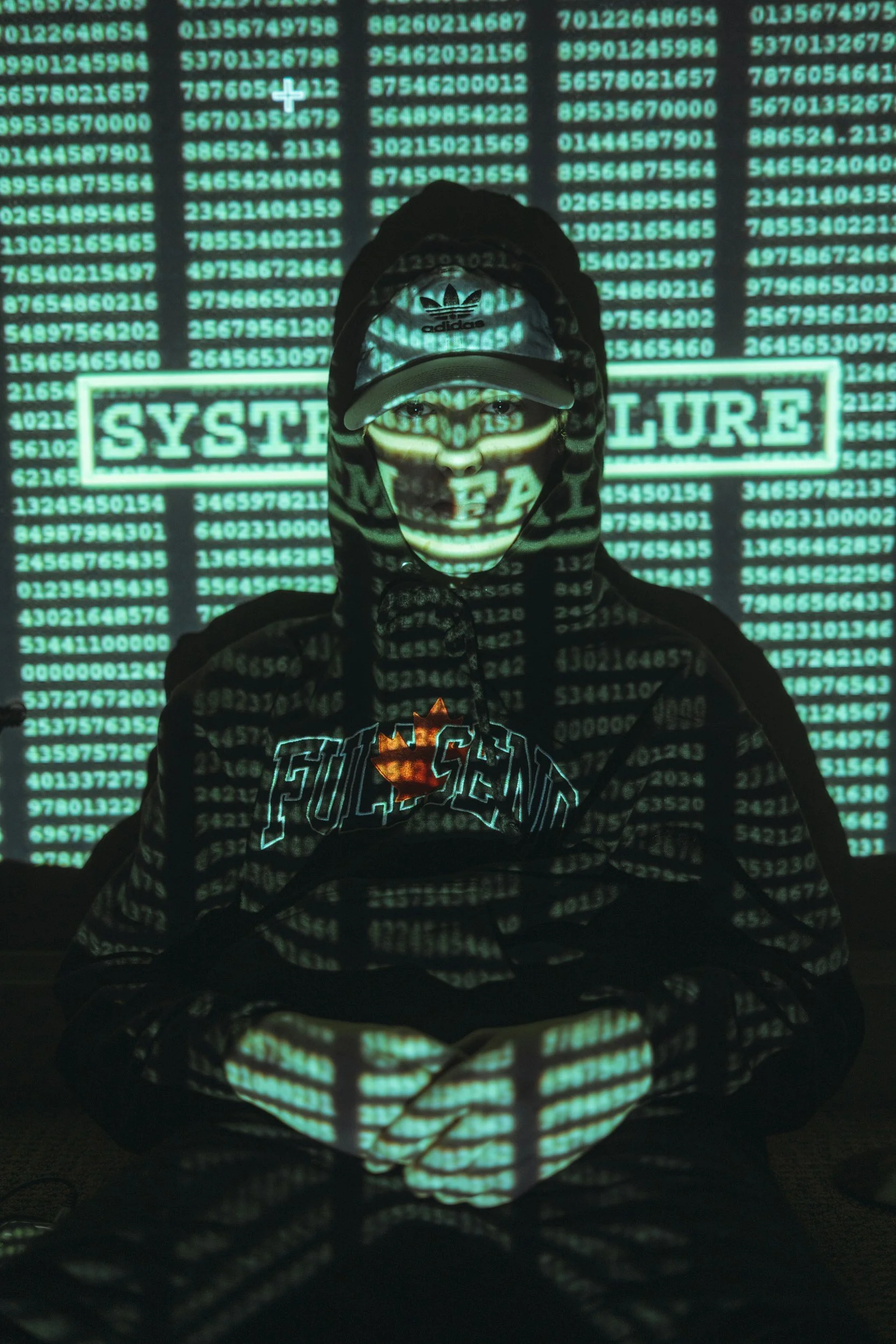
Chapter 10 - They Hide in the Shadows
Mexico has a long and well‑documented history with advanced surveillance tools…

Chapter 9 - The Father
I was caught between two realities. The life I had left behind no longer existed, and

Chapter 8 - The Cartel Boss
The central question remained unresolved: what motivated the local cartel boss’s intervention in our lives?
Chapter 7 - No One Told Me the Rules
The unspoken rules revealed themselves slowly. Resetting the phone — something I had treated as harmless —

Chapter 6 - The Moment Everything Broke
There was one person who gave me stability when my life began to fall apart,

Chapter 5 - Please Forgive Me
What was going through my mind was this: I can’t tell anyone about this.
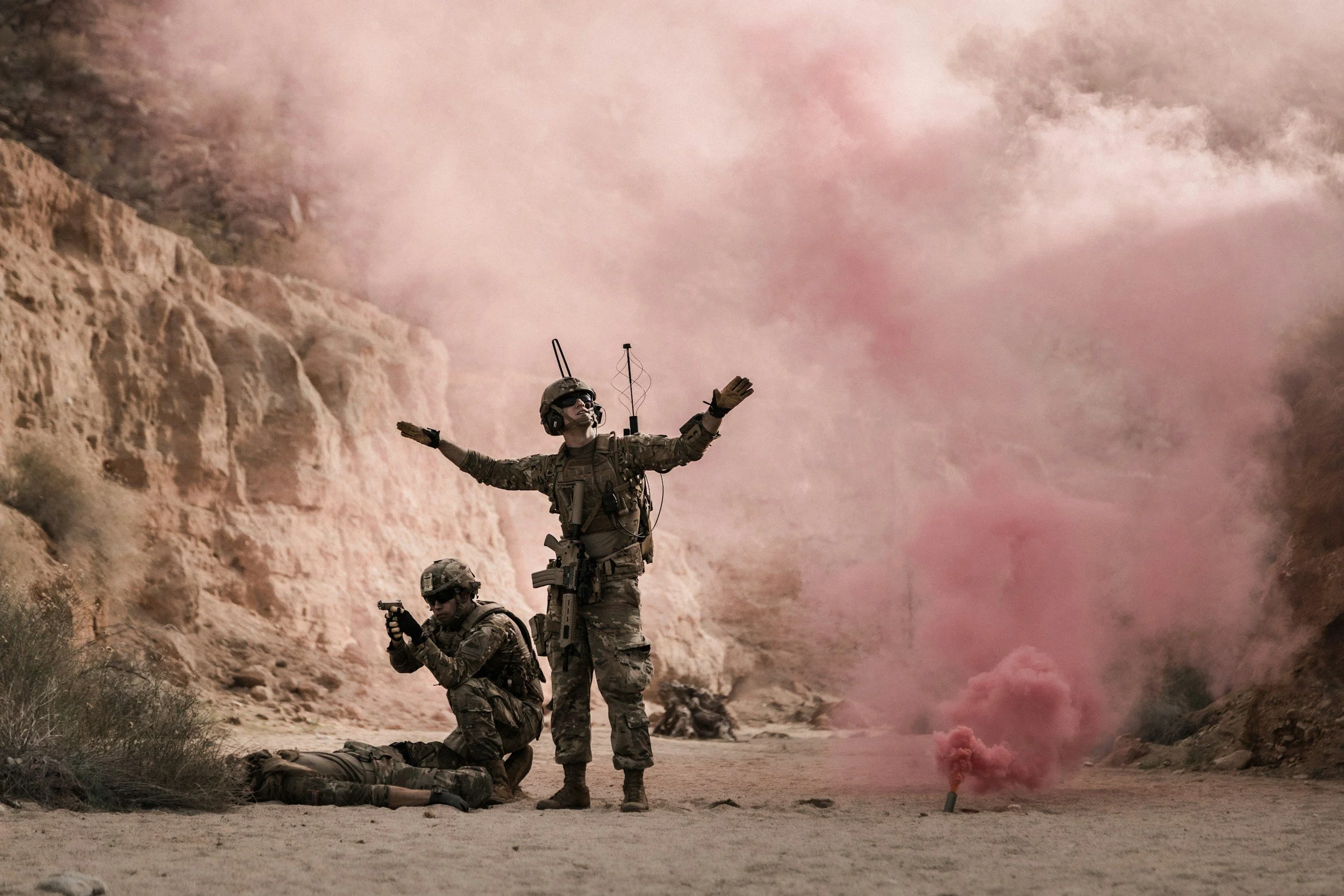
Chapter 4 - Warzone
Every day I felt like I was living in a war zone — not a real war with soldiers and weapons,

Chapter 3 - Anomalies in the System
For the sake of argument, let’s call my experiences a conspiracy theory — one I can neither confirm nor deny.
Chapter 2 - Sabotage
People often speak about specialised hidden groups in Mexico as if they operate on a single plane —

Chapter 1 - The Shape of the Pattern
I used to think danger announced itself. A sound, a shadow, a warning you could point to later and say, There.
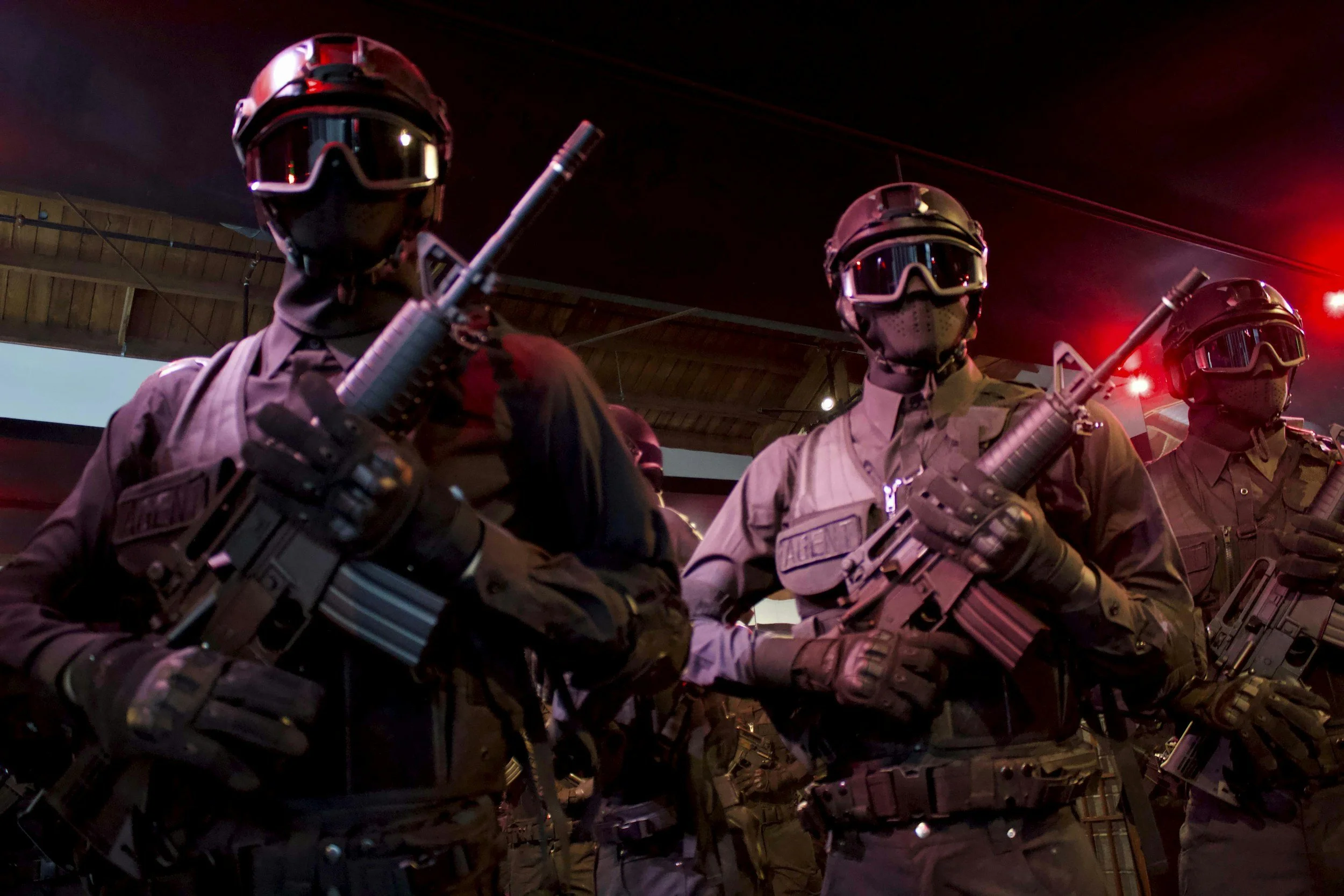
“The central question remained unresolved: what motivated the local cartel boss’s intervention in our lives?”
SILENCE PREFERRED PROJECT
I never spoke to anyone in full detail about how my life fell apart. I kept it all inside, trying to make sense of it on my own. I needed the privacy to collect my thoughts, to understand the chaos, and to find the words for what I went through. Maybe if I can finally lay it out, someone out there will see the truth of it — the scale of it — and understand what really happened. What went tragically wrong.

AUTHOR’S NOTES
This work is a narrative reconstruction of events drawn from lived experience. For reasons of privacy, safety, and legal protection, the names of some individuals have been changed, and identifying characteristics have been altered or omitted. Certain timelines have been compressed or expanded, and some roles consolidated, to preserve coherence while maintaining the integrity of the underlying experience.
Where official records were absent, incomplete, or inconsistent, scenes have been recreated using memory and personal documentation. This book does not claim to provide a comprehensive or authoritative account of any person or entity. It reflects the author’s perspective based on the information available at the time. Any resemblance to actual individuals or organisations, beyond those intentionally mentioned, is coincidental.


DISCLAIMER
This narrative is derived from real events; however, the names of individuals, organisations, and locations have been changed, and certain identifying characteristics have been altered or omitted to protect privacy and safety. Some timelines have been adjusted, and specific roles or incidents have been consolidated for clarity. Where documentation was incomplete, unavailable, or inconsistent, events have been reconstructed from memory, contemporaneous notes, or corroborating accounts.
This work does not assert definitive factual conclusions about any person or entity. It reflects the author’s understanding of the circumstances based on the information available at the time. Any resemblance to actual individuals or organisations, beyond those intentionally anonymised, is coincidental.