Living With a Cartel Man
He had real cartel history, and because of him, men from that world entered my life. I wasn’t part of their organisation, but I lived close enough to feel the danger, the confusion, and the spillover of men who used cartel mythology to place themselves above the law.
-
Jacqualine Phyllis Roche is a writer and lived‑experience researcher focused on digital violence, coercive control, cross‑border harm, and the collapse of institutional response. Her work blends forensic clarity with literary restraint, offering a rare perspective on the psychological and structural dynamics that shape modern danger.
-
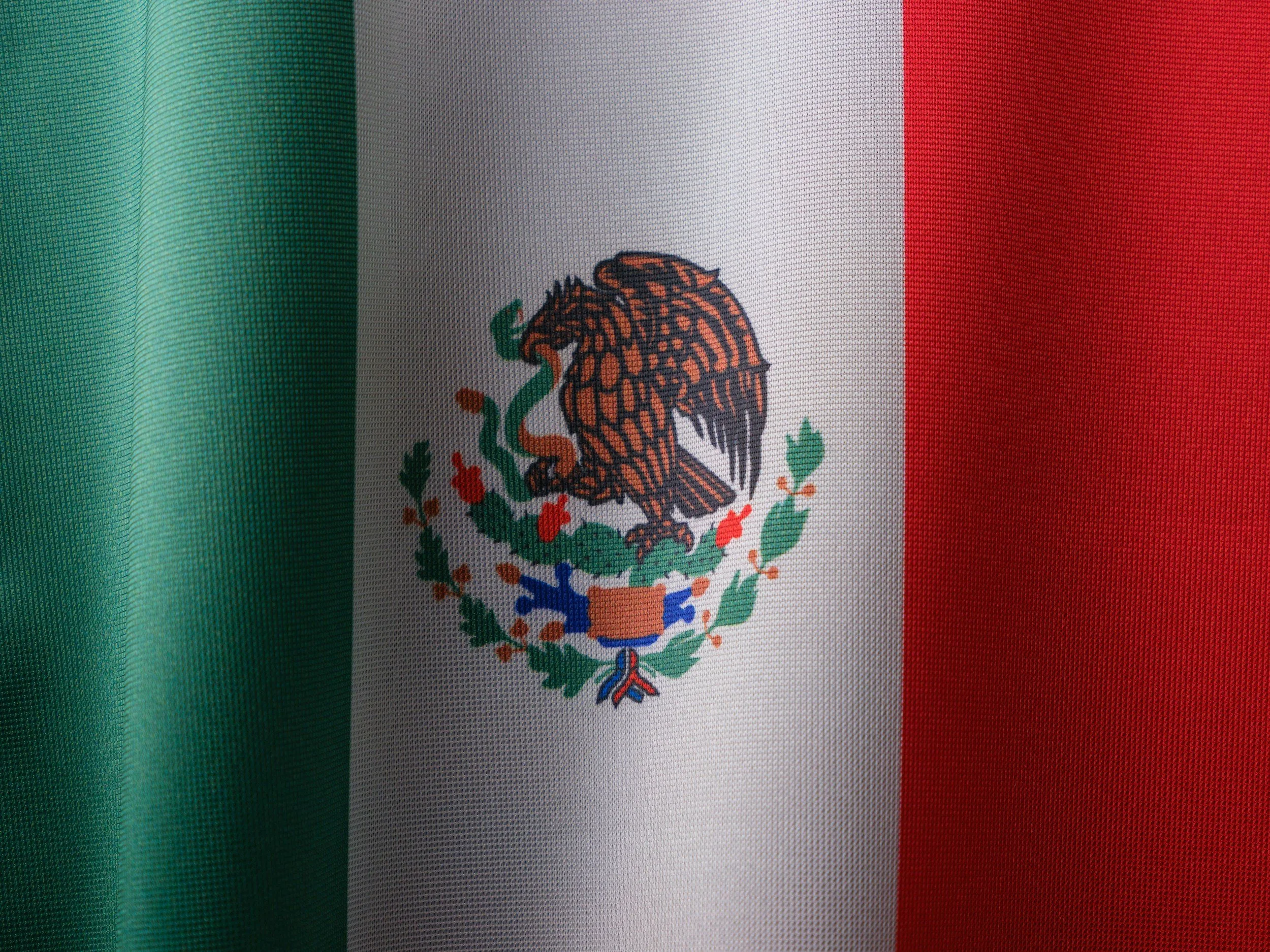
Abandoned in Mexico, this may be the most extreme case of domestic violence connected to the Australian Defence Force. That’s not an exaggeration. That’s not a headline. That’s my life. One day I was an army wife — the kind who moved locations every four years, raised children alone during deployments, and held everything together while the institution looked the other way. And then, somehow, through a chain of events no one would believe unless they had lived it, I ended up engaged to a man in the Mexican Mafia.
My ex‑husband — a retired ADF officer with longstanding mental health issues, who was subjected to trial drugs during his deployments in East Timor in 1999 and 2001, and the father of our four children — left us in Mexico with no support, no protection, and no way out. I was suddenly responsible for four children in a country I barely understood. That vulnerability made me an easy target, and I became trapped and exploited by people in the cartel in Nayarit — men operating inside a system where fear, poverty, and power shaped every interaction.
The only person who could testify to what happened was a man whose own life had once been entangled in organised crime — a member of the Mexican Mafia. Which meant that, in the eyes of the authorities, my truth was never going to be simple, clean, or easily believed.
-
When I travelled quietly through Mexico with my four children, nothing about our lives suggested we should draw attention. We moved the way ordinary families do — unnoticed, unremarkable, statistically irrelevant. Yet what unfolded across Mexico, Australia, and New Zealand revealed a different truth: vulnerability can make you visible in ways you never expect, and the systems meant to protect you can be the same systems that let you disappear. What began as small disruptions — drones at night, failing communications, patterns too precise to dismiss — became the first signs that we had slipped into a world where jurisdictional gaps override human impact, and where no agency feels responsible for what happens in the grey zones between nations.
I did not set out to understand surveillance, organised‑crime intelligence networks, or the quiet machinery of institutional failure. But when the systems around me collapsed, I was forced to trace the lines myself. Drawing on documented surveillance overreach, Mexico’s history with Pegasus spyware, and the informal intelligence structures that shape daily life in cartel‑influenced regions, I began to piece together a design I was never meant to see. Precarity, invisibility, and institutional silence converged in ways that dismantled a life — and in the aftermath, the person left standing became the one who finally understood the architecture of what had happened.
This not a story of masterminds or shadowy strategists. It is the account of a woman who survived the failure of three national systems and reclaimed a narrative that was never meant to be hers. And it is written for my children, whose voices were taken from me long before I ever found the courage to speak. I may not understand everything yet, but I will keep searching for the truth — for them, and for the life we lost in the silence.
-
I lost my children because of domestic violence. He used them as leverage, not out of love, but as a means of control. What unfolded was not a custody decision but a calculated act of coercive power, where the children became instruments in a conflict they never chose. The systems meant to protect us instead amplified his reach, mistaking manipulation for parental concern and silence for stability. In the end, the cost of leaving was measured not in possessions or safety, but in the distance forced between a mother and her children.
-
I write from lived experience across two very different worlds: the margins surrounding organised crime in Mexico and the institutional structures of the Australian Defence Force. My work explores how systems shape violence — and how those systems decide whether a victim is protected, silenced, or erased.
I spent ten years in Nayarit, Mexico, raising four children without protection and learning how organised‑crime environments operate at the community level. Later, my return to Australia exposed me to a different kind of danger: the procedural and reputational mechanisms that influence domestic‑violence responses within military systems. These two worlds — one feared, one trusted — revealed how violence behaves when it has no shield, and how it behaves when it has an institutional one.
My work focuses on:
• Cross‑border lived experience
• Organised‑crime dynamics in Mexico (non‑romanticised, non‑sensational)
• Domestic‑violence patterns within military structures
• Institutional silence, moral injury, and systemic erasure
• Trauma‑informed narrative nonfiction
I also research how tourists and foreign residents become vulnerable to organised crime in Mexico, including cybercrime, financial exploitation, intimidation, and cross‑border institutional gaps. I document targeting patterns, analyse digital interference, reconstruct timelines, and provide survivor‑led insight to journalists, researchers, and public‑safety professionals.
This type of experience is rare. It does not fit neatly into existing reporting frameworks, and part of the reason I write is because there is very little public information to help people like me navigate what happens when violence crosses borders and systems fail. Much of what I have learned, I had to figure out alone. I share my story because it exposes gaps that are not yet documented — and because I am approachable for questions or interviews.
The strange thing is that I’ve finally written everything I needed to write. For a long time I worried I wouldn’t make it to the end — there is always something that can interrupt the process, especially when you’re dealing with people who don’t appreciate the truth being documented. But I’ve covered every angle now. I’ve contacted the people who needed to be contacted. The record exists in full.
If anything were ever to happen to me, there is at least a history to examine, a trail that leads somewhere. It may sound cautious, even paranoid, but experience teaches you not to assume safety simply because the danger has gone quiet. I needed the truth exposed regardless.
And now that it’s done, I can feel something loosening. I’m starting to see that the men who disrupted my life have far less reach than they wanted me to believe. Their power was always inflated by silence. With the story finally out of my head and onto the page, I feel safer than I have in years. I can sit back, breathe, and focus on the work itself — shaping the manuscript into something ready for publication.
This website is not the book’s chapters speaking. These are the thoughts that surfaced because of writing the book — the aftershocks, the clarity that only arrives once the truth has been laid out and the fear has somewhere else to live.



Latest Updates
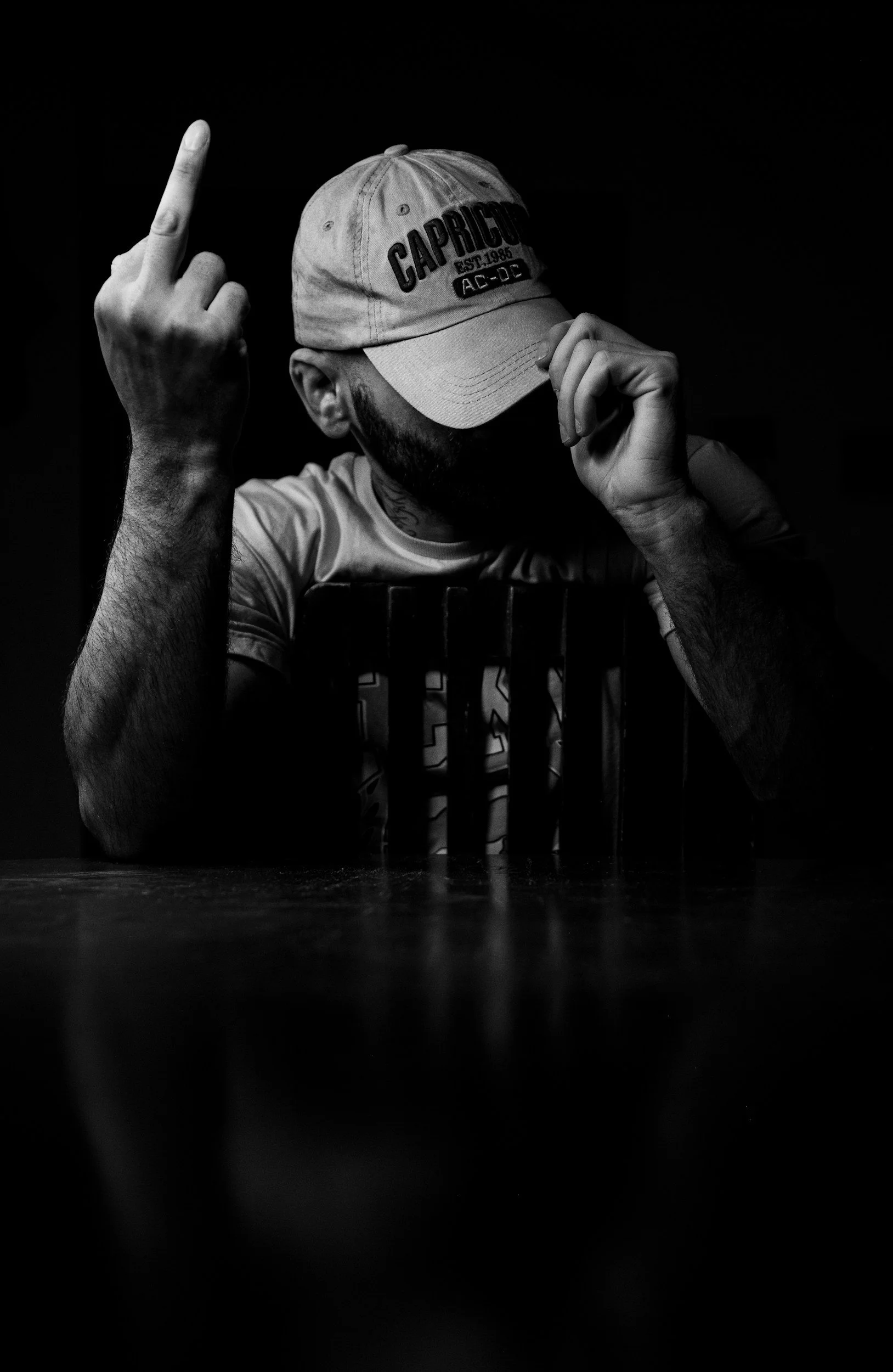
Living With a Cartel Man
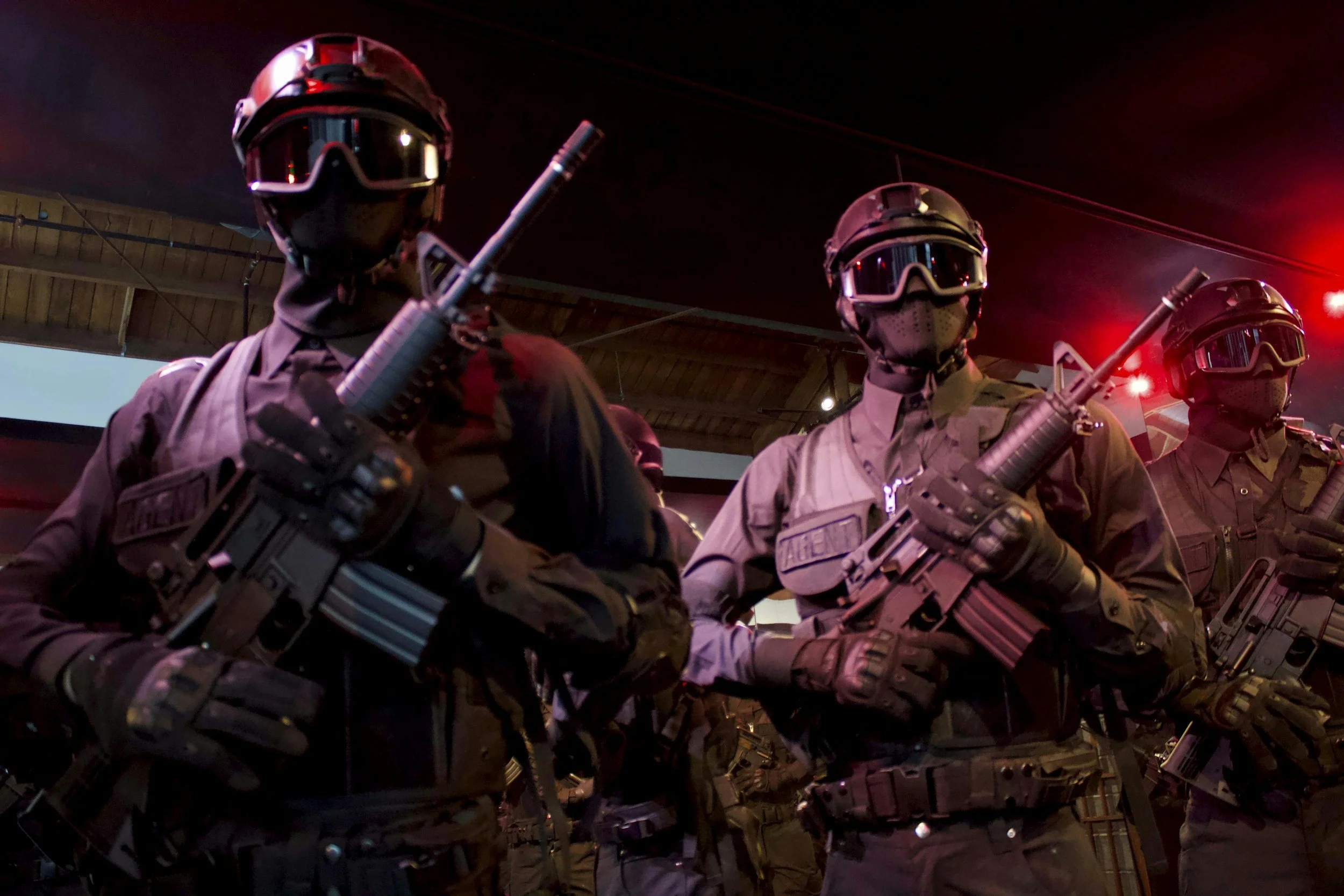
The cartel man I lived with — well, he could have fooled me. For a long time he insisted he wasn’t cartel anymore. Used to be, he said. But I resigned. That was his line.
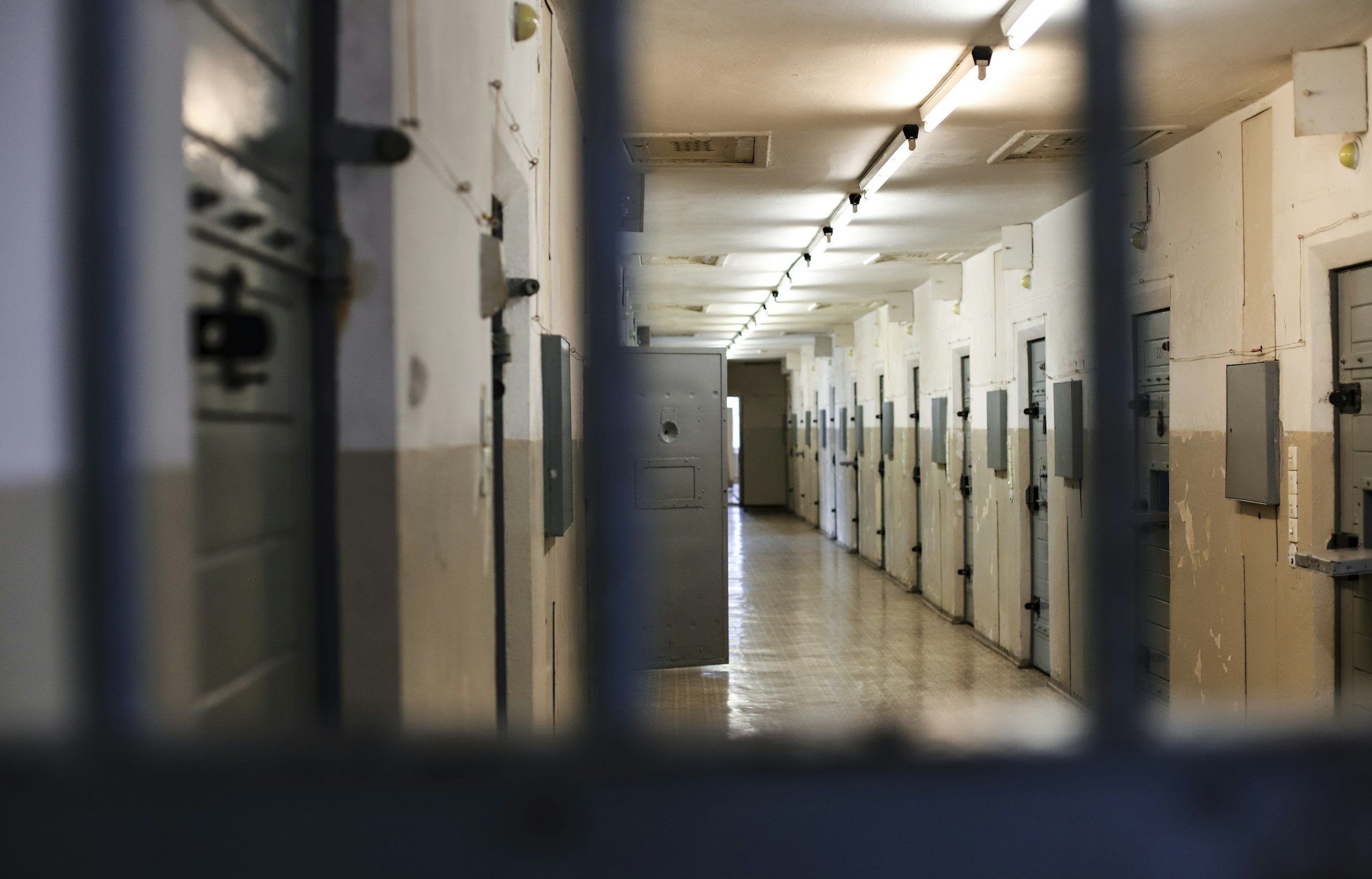
Small Men, Big Damage: Why This Story Has to Be Told
And I do wonder what the so‑called “big bosses” would think — El Capo, El Patrón, even the second‑in‑command — if they knew what their little splinter groups were doing in their name.
Family and Domestic Violence in the Australian Defence Force (ADF)
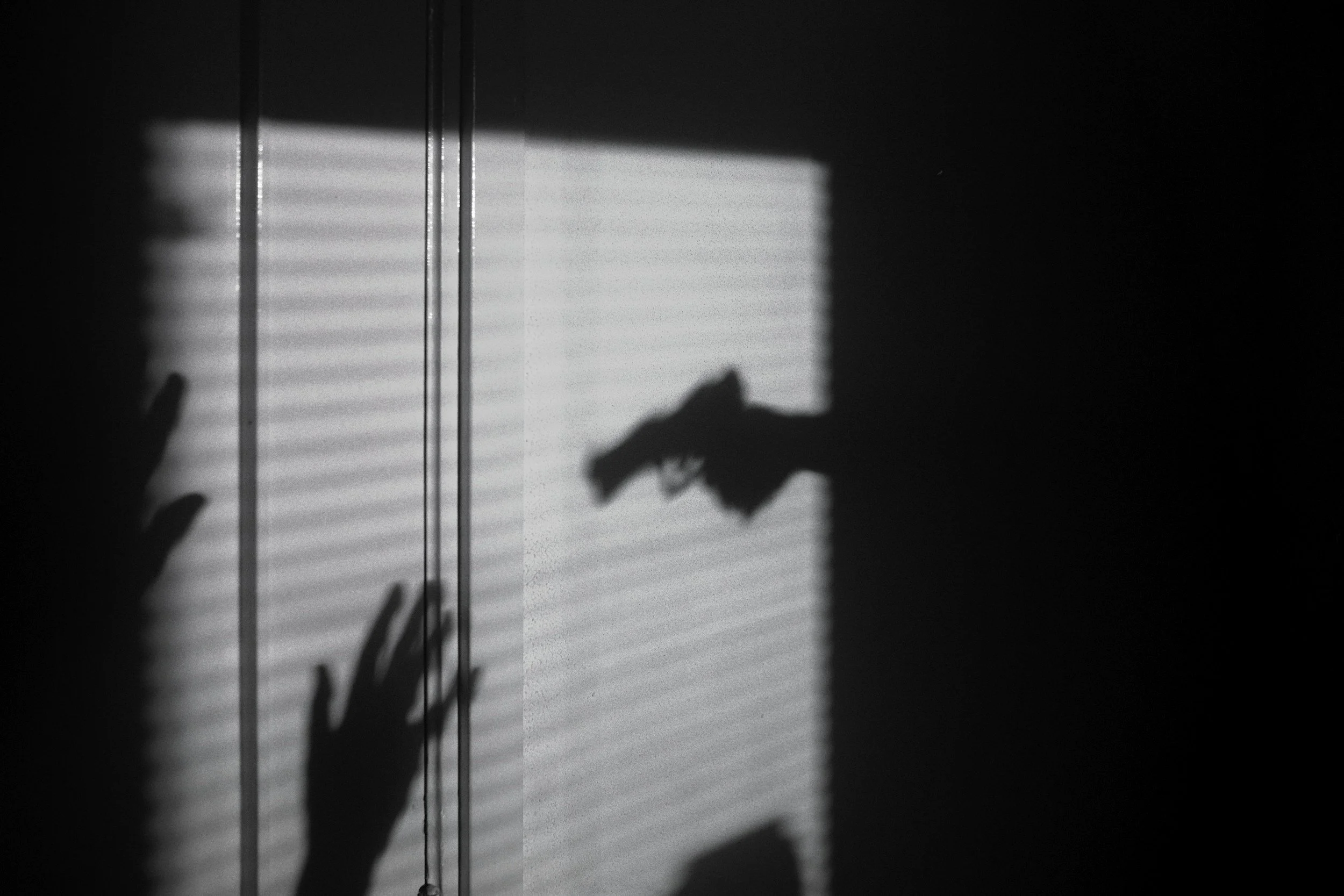
One of the biggest problems with domestic violence is that people still don’t speak out, creating a silence that wraps around the perpetrator like armour, leaving the victim exposed and the violence free to continue without interruption.
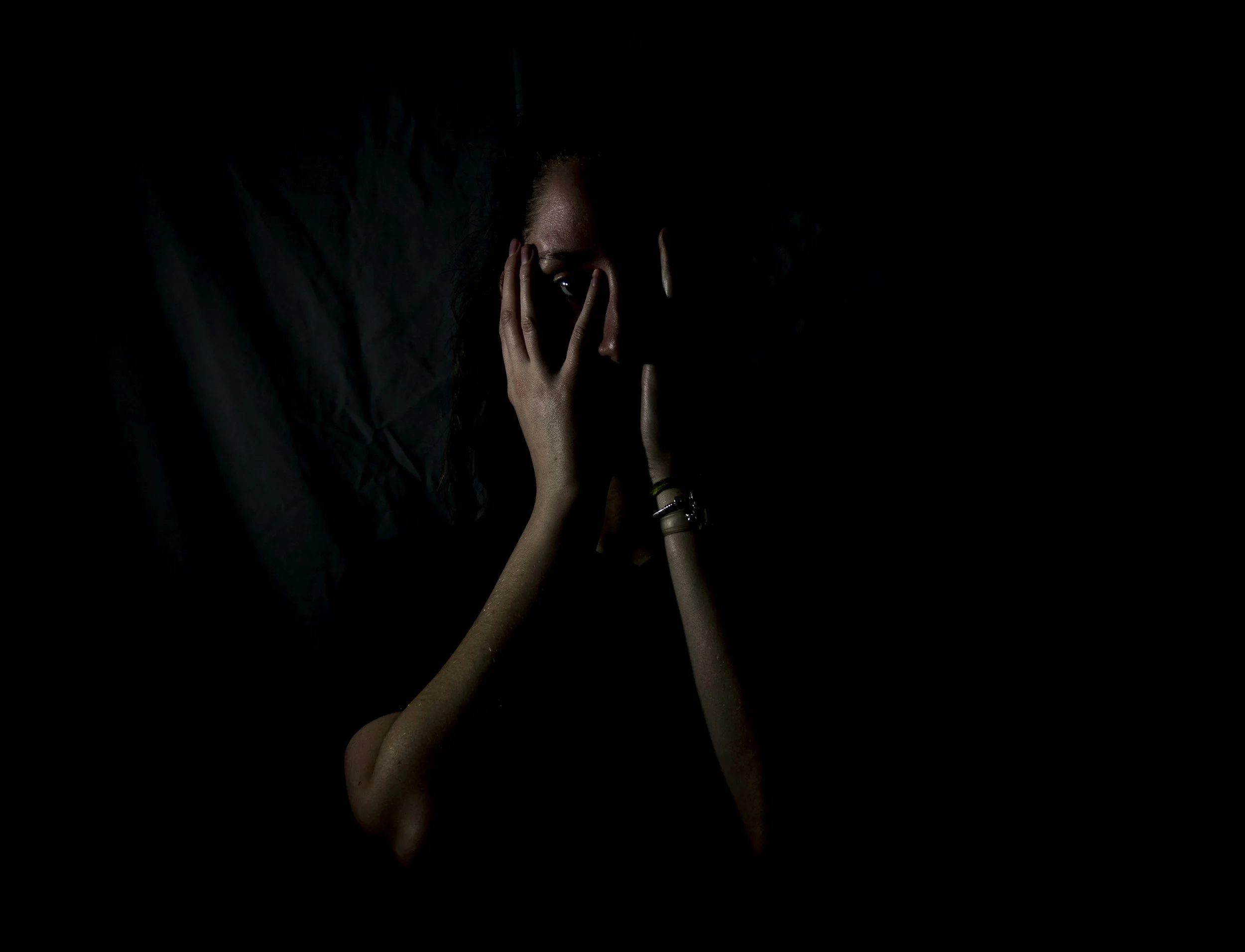
Women are most at risk of being in an abusive relationship in their twenties, particularly between ages 18 and 34, and the Bureau of Justice Statistics reports that around 85 percent of domestic‑violence victims are women.
The first step in getting help is recognising the behaviour as abuse. The CDC identifies four forms of intimate partner violence: physical violence, sexual violence, stalking, and psychological aggression.
The strongest driver of family violence is gender inequality — the unequal distribution of power, resources, and decision‑making based on gender. When communities normalise disrespect or rigid gender roles, the risk of violence increases.

Military service reshapes families and isolates them from civilian support, increasing exposure to trauma and weakening the networks needed during crises. For veterans and their families, seeking help for family or domestic violence is even harder, shaped by mobility, separation, cultural expectations of resilience, and systems that don’t understand military life.
DISCLAIMER
This narrative is derived from real events; however, the names of individuals, organisations, and locations have been changed, and certain identifying characteristics have been altered or omitted to protect privacy and safety. Some timelines have been adjusted, and specific roles or incidents have been consolidated for clarity. Where documentation was incomplete, unavailable, or inconsistent, events have been reconstructed from memory, contemporaneous notes, or corroborating accounts.
This work does not assert definitive factual conclusions about any person or entity. It reflects the author’s understanding of the circumstances based on the information available at the time. Any resemblance to actual individuals or organisations, beyond those intentionally anonymised, is coincidental.