Abandoned in Mexico, this may be the most extreme case of domestic violence connected to the Australian Defence Force.
-
Abandoned in Mexico, this may be the most extreme case of domestic violence connected to the Australian Defence Force. That’s not an exaggeration. That’s not a headline. That’s my life. One day I was an army wife — the kind who moved locations every four years, raised children alone during deployments, and held everything together while the institution looked the other way. And then, somehow, through a chain of events no one would believe unless they had lived it, I ended up engaged to a man in the Mexican Mafia.
My ex‑husband — a retired ADF officer with longstanding mental health issues, who was subjected to trial drugs during his deployments in East Timor in 1999 and 2001, and the father of our four children — left us in Mexico with no support, no protection, and no way out. I was suddenly responsible for four children in a country I barely understood. That vulnerability made me an easy target, and I became trapped and exploited by people in the cartel in Nayarit — men operating inside a system where fear, poverty, and power shaped every interaction.
The only person who could testify to what happened was a man whose own life had once been entangled in organised crime — a member of the Mexican Mafia. Which meant that, in the eyes of the authorities, my truth was never going to be simple, clean, or easily believed.
-
When I travelled quietly through Mexico with my four children, nothing about our lives suggested we should draw attention. We moved the way ordinary families do — unnoticed, unremarkable, statistically irrelevant. Yet what unfolded across Mexico, Australia, and New Zealand revealed a different truth: vulnerability can make you visible in ways you never expect, and the systems meant to protect you can be the same systems that let you disappear. What began as small disruptions — drones at night, failing communications, patterns too precise to dismiss — became the first signs that we had slipped into a world where jurisdictional gaps override human impact, and where no agency feels responsible for what happens in the grey zones between nations.
I did not set out to understand surveillance, organised‑crime intelligence networks, or the quiet machinery of institutional failure. But when the systems around me collapsed, I was forced to trace the lines myself. Drawing on documented surveillance overreach, Mexico’s history with Pegasus spyware, and the informal intelligence structures that shape daily life in cartel‑influenced regions, I began to piece together a design I was never meant to see. Precarity, invisibility, and institutional silence converged in ways that dismantled a life — and in the aftermath, the person left standing became the one who finally understood the architecture of what had happened.
This not a story of masterminds or shadowy strategists. It is the account of a woman who survived the failure of three national systems and reclaimed a narrative that was never meant to be hers. And it is written for my children, whose voices were taken from me long before I ever found the courage to speak. I may not understand everything yet, but I will keep searching for the truth — for them, and for the life we lost in the silence.
-
I lost my children because of domestic violence. He used them as leverage, not out of love, but as a means of control. What unfolded was not a custody decision but a calculated act of coercive power, where the children became instruments in a conflict they never chose. The systems meant to protect us instead amplified his reach, mistaking manipulation for parental concern and silence for stability. In the end, the cost of leaving was measured not in possessions or safety, but in the distance forced between a mother and her children.
-
I write from lived experience across two very different worlds: the margins surrounding organised crime in Mexico and the institutional structures of the Australian Defence Force. My work explores how systems shape violence — and how those systems decide whether a victim is protected, silenced, or erased.
I spent ten years in Nayarit, Mexico, raising four children without protection and learning how organised‑crime environments operate at the community level. Later, my return to Australia exposed me to a different kind of danger: the procedural and reputational mechanisms that influence domestic‑violence responses within military systems. These two worlds — one feared, one trusted — revealed how violence behaves when it has no shield, and how it behaves when it has an institutional one.
My work focuses on:
• Cross‑border lived experience
• Organised‑crime dynamics in Mexico (non‑romanticised, non‑sensational)
• Domestic‑violence patterns within military structures
• Institutional silence, moral injury, and systemic erasure
• Trauma‑informed narrative nonfiction
I also research how tourists and foreign residents become vulnerable to organised crime in Mexico, including cybercrime, financial exploitation, intimidation, and cross‑border institutional gaps. I document targeting patterns, analyse digital interference, reconstruct timelines, and provide survivor‑led insight to journalists, researchers, and public‑safety professionals.
This type of experience is rare. It does not fit neatly into existing reporting frameworks, and part of the reason I write is because there is very little public information to help people like me navigate what happens when violence crosses borders and systems fail. Much of what I have learned, I had to figure out alone. I share my story because it exposes gaps that are not yet documented — and because I am approachable for questions or interviews.



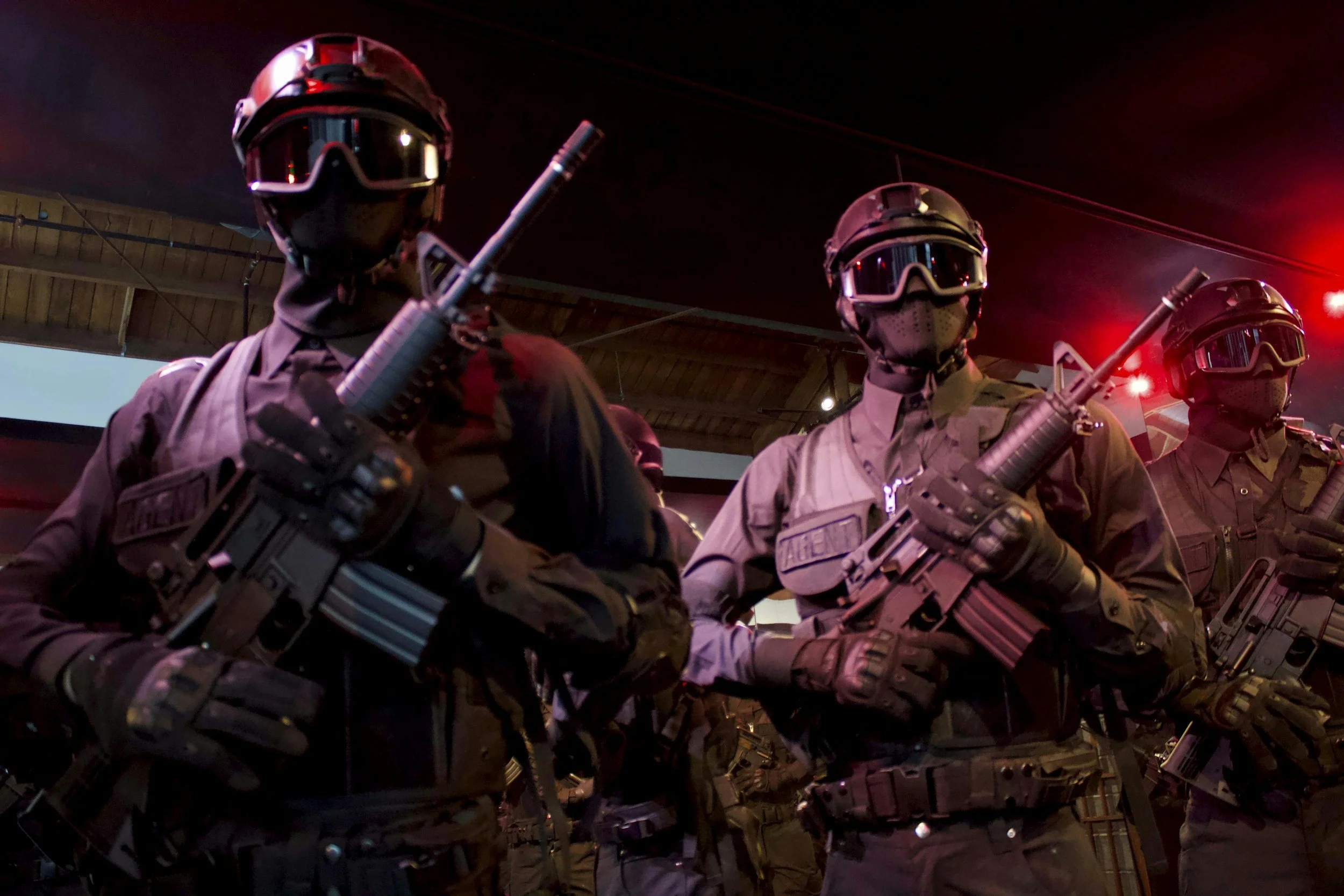
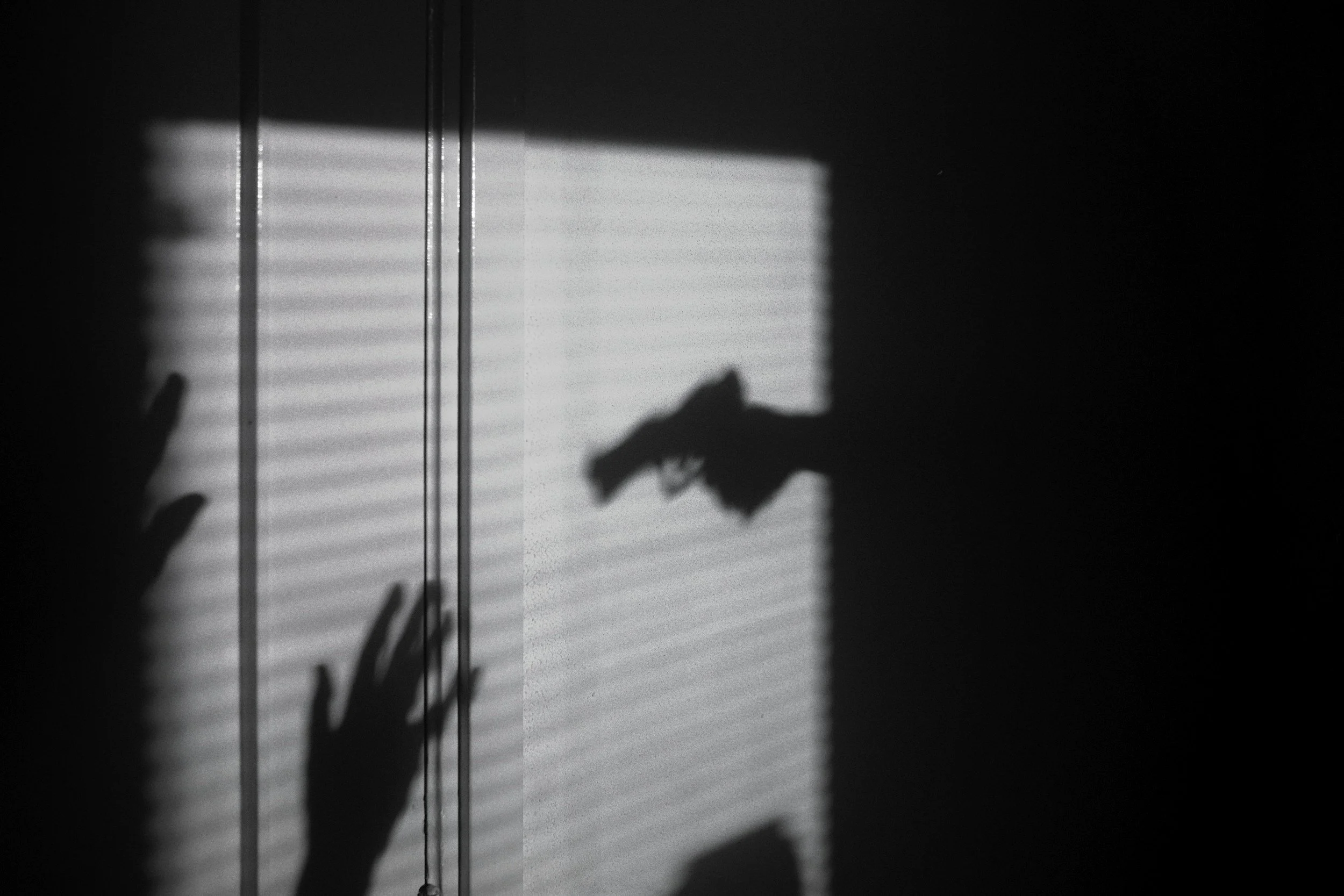

When a man points a loaded gun at your head, how does that change you?
When a man points a loaded gun at your head, how does that change you?
Domestic Violence Pattern Recognition (ADF Context)
The Defence Strategy for Preventing and Responding to Family and Domestic Violence 2023–2028 now speaks about coercive control, misidentification, and systemic risk.

17. Architecture Precarity
These structures are made of gaps — jurisdictional gaps, procedural gaps, definitional gaps

16. Miscalculation
They thought they understood my breaking point, but their first mistake was believing I had one.
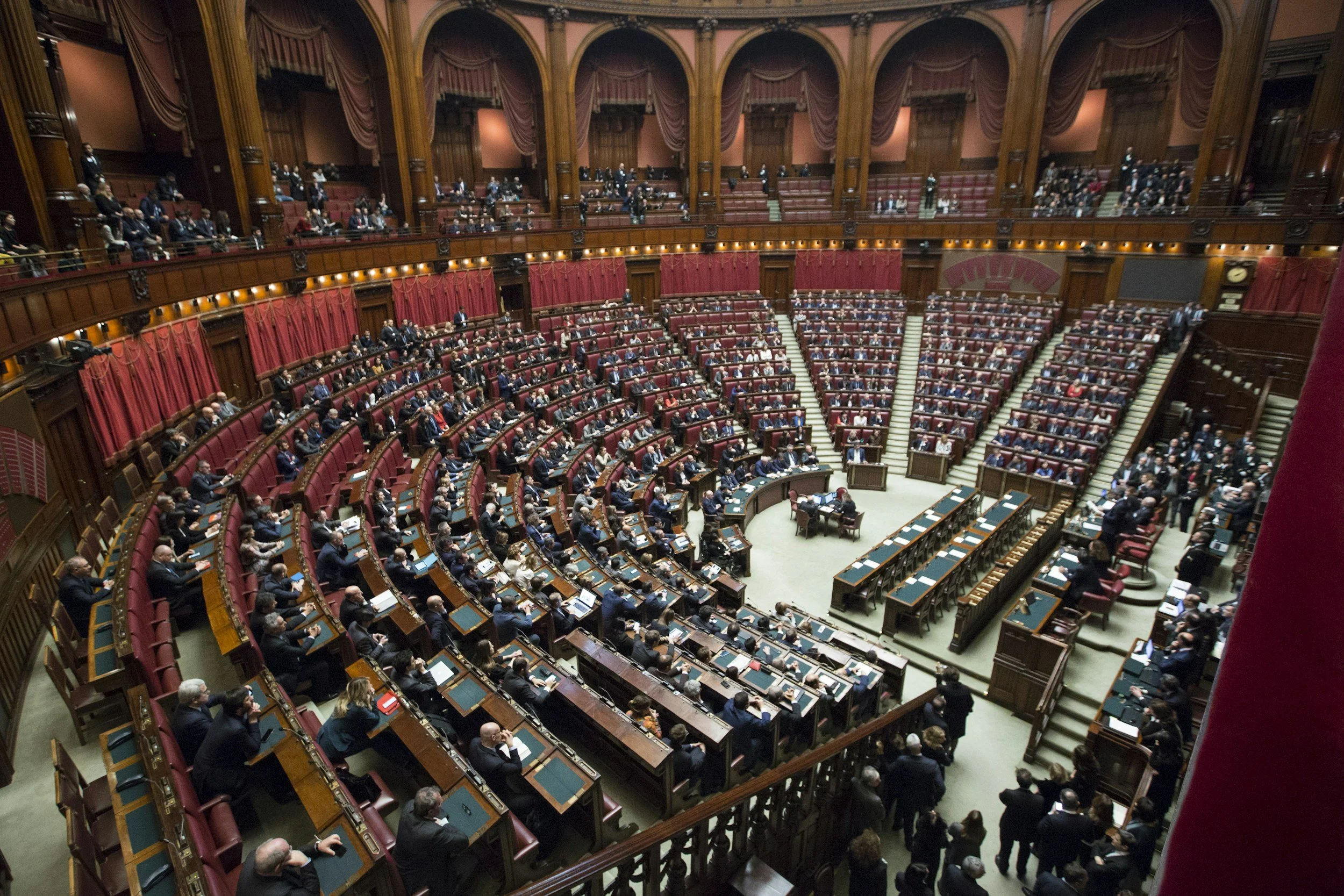
15. System - II
Dear Mr. President, I respectfully submit this letter to request assistance regarding a serious cross‑border civilian‑protection failure
14. System - 1
My understanding is that he had associations with organised criminal elements in the region

13. Wombles
“Beneath every ordinary surface lies a world that depends on you never noticing it exists.”

12. Intimacy
And without empathy, I had never experienced intimacy. Not before these experiences.
Hot Topics
Australian Defence Force
Domestic violence within the Defence Force has always been a quiet topic. It is rarely reported and almost never spoken about when you are part of the Defence family. And then, when everything finally collapses, you discover there is no one to turn to — and by that point, it is already too late.
I Was Just An Army Wife
I lived in a war zone — not one marked on maps, but one constructed inside a home, inside a marriage, inside a system that refused to intervene. At times I felt I had experienced war more deeply than a combat soldier. The battlefield was different, but it lasted for years.
He Blamed Me For Everything
Over time, his attention shifted toward drugs, alcohol, and behaviour that crossed boundaries I never agreed to. At times he involved other people and pressured me to participate, or would disappear with men for encounters that left me feeling trapped inside situations I did not want and did not consent to.
The Cartel In Mexico
The cartel years still leave me with so many unanswered questions. I still don’t understand why they targeted me so intensely, why the harassment escalated the moment my husband disappeared from view, or what arrangements he may have made that I was never told about. Something about that period has never added up, and the gaps in the story continue to trouble me..
Governments Slow Responses
Government responses to overseas harm are slow by design, but living through that delay is something else entirely. To know that anything could happen to you in another country, and to return home believing it would finally be safe to report it — only to find that the systems move slowly, far too slowly — is its own kind of shock.
Last Chapter - The Future Is Planned
I have already drafted the ending to this story, convinced I know exactly how it would go. There would be no government support for the domestic violence, no recognition of the loss of my children, and no accountability for what happened in Mexico. I will return to Mexico one day, simply to find the answers for myself.
DISCLAIMER
This narrative is derived from real events; however, the names of individuals, organisations, and locations have been changed, and certain identifying characteristics have been altered or omitted to protect privacy and safety. Some timelines have been adjusted, and specific roles or incidents have been consolidated for clarity. Where documentation was incomplete, unavailable, or inconsistent, events have been reconstructed from memory, contemporaneous notes, or corroborating accounts.
This work does not assert definitive factual conclusions about any person or entity. It reflects the author’s understanding of the circumstances based on the information available at the time. Any resemblance to actual individuals or organisations, beyond those intentionally anonymised, is coincidental.